Erewhon – Optimizing the Self-Order Kiosk Experience
TEAM
Individual + Product Designer
SKILLS
Ergonomic Evaluation Accessibility Audit
Ergonomic Evaluation, Accessibility Audit
Is this kiosk ready to be Erewhon?
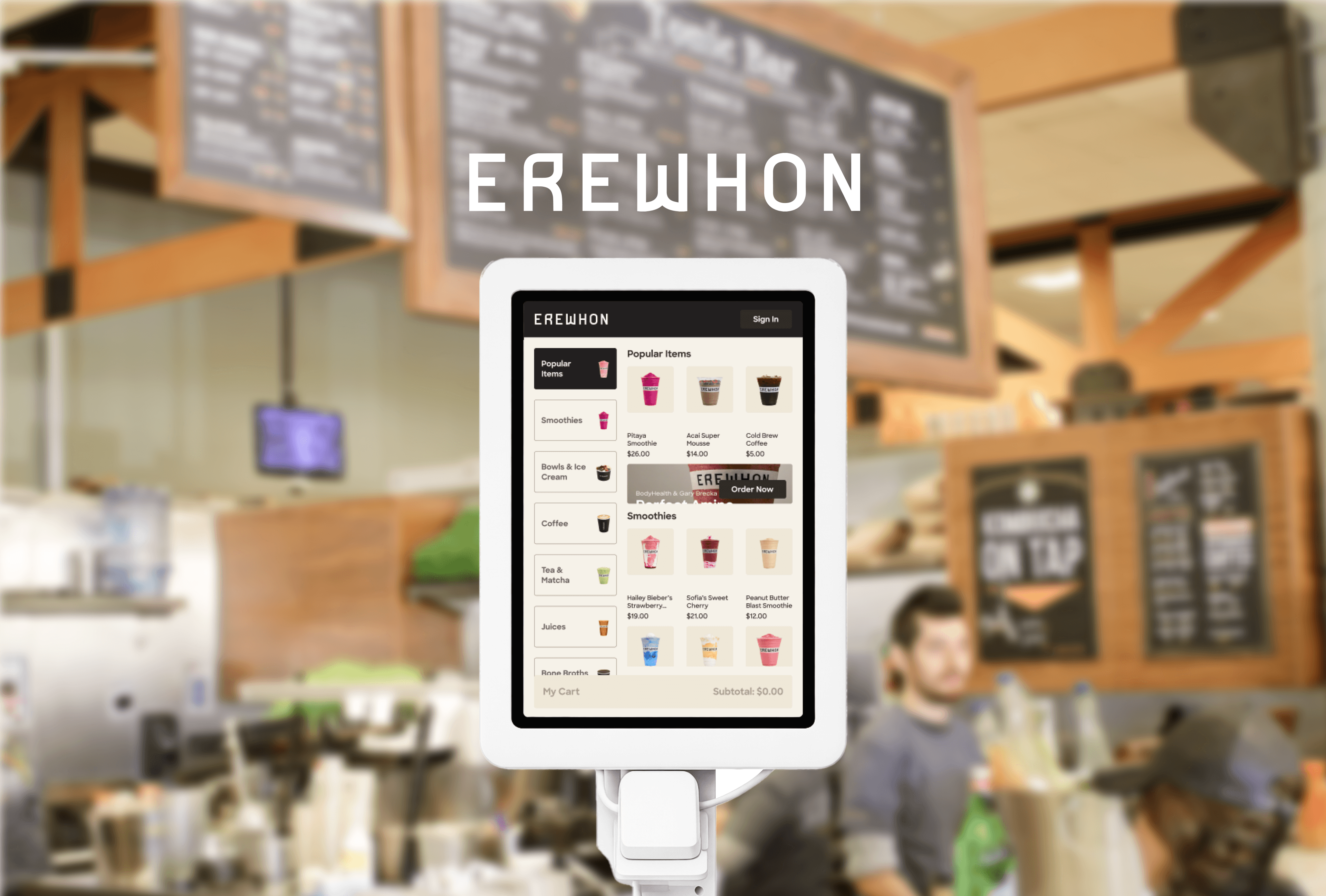
Erewhon is a Los Angeles-based luxury grocery brand. $171M in profit, 10+ locations, all in Southern California. Tons of celebrity collaborations and a customer base that treats food as a lifestyle. By 2023, the brand was expanding, and a self-order kiosk was on the table. The question was whether it was worth to be launched.
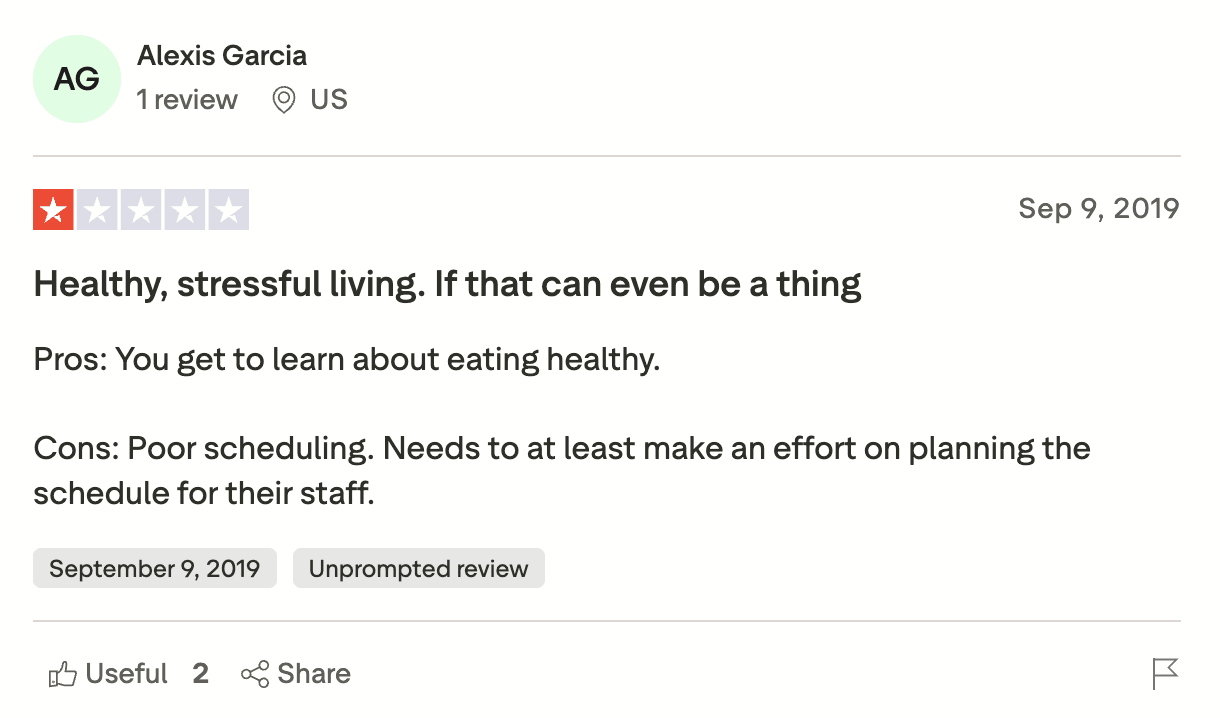
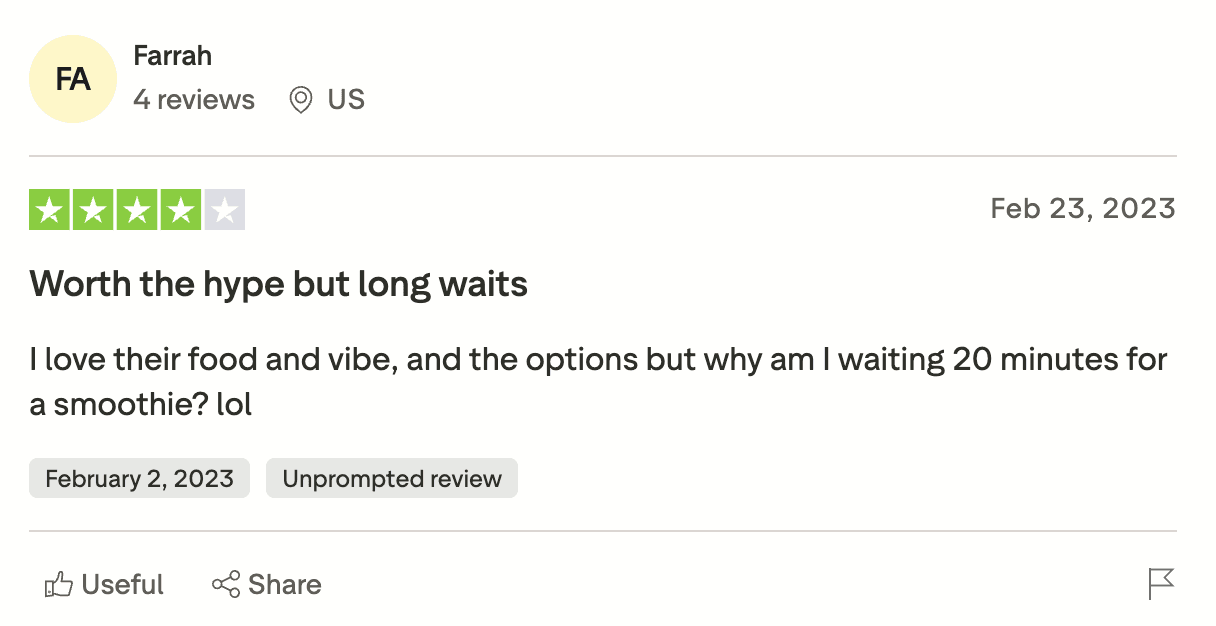
Erewhon's reputation is built on excellent service and that's inseparable from the brand. But long wait times at the tonic bar were becoming a recurring problem. A self-order kiosk was the proposed fix. The question was whether it was ready to represent Erewhon. Based on the client brief, communicated verbally during project kickoff.
Lines at Erewhon's Tonic Bar
Lines at Erewhon's tonic bar
Close, but not launch ready
87% of new riders were able to start rides independently
Placed accidental orders. Direct operational risk at every location
87% of new riders were able to start rides independently
Couldn't access coffee modifiers. Erewhon's core promise, broken.
62%
Expected Quick Remove. Friction where Erewhon can't afford it.
Based on prototype usability testing: 18 participants (13 in person, 5 remote via Maze)
Three steps before testing began
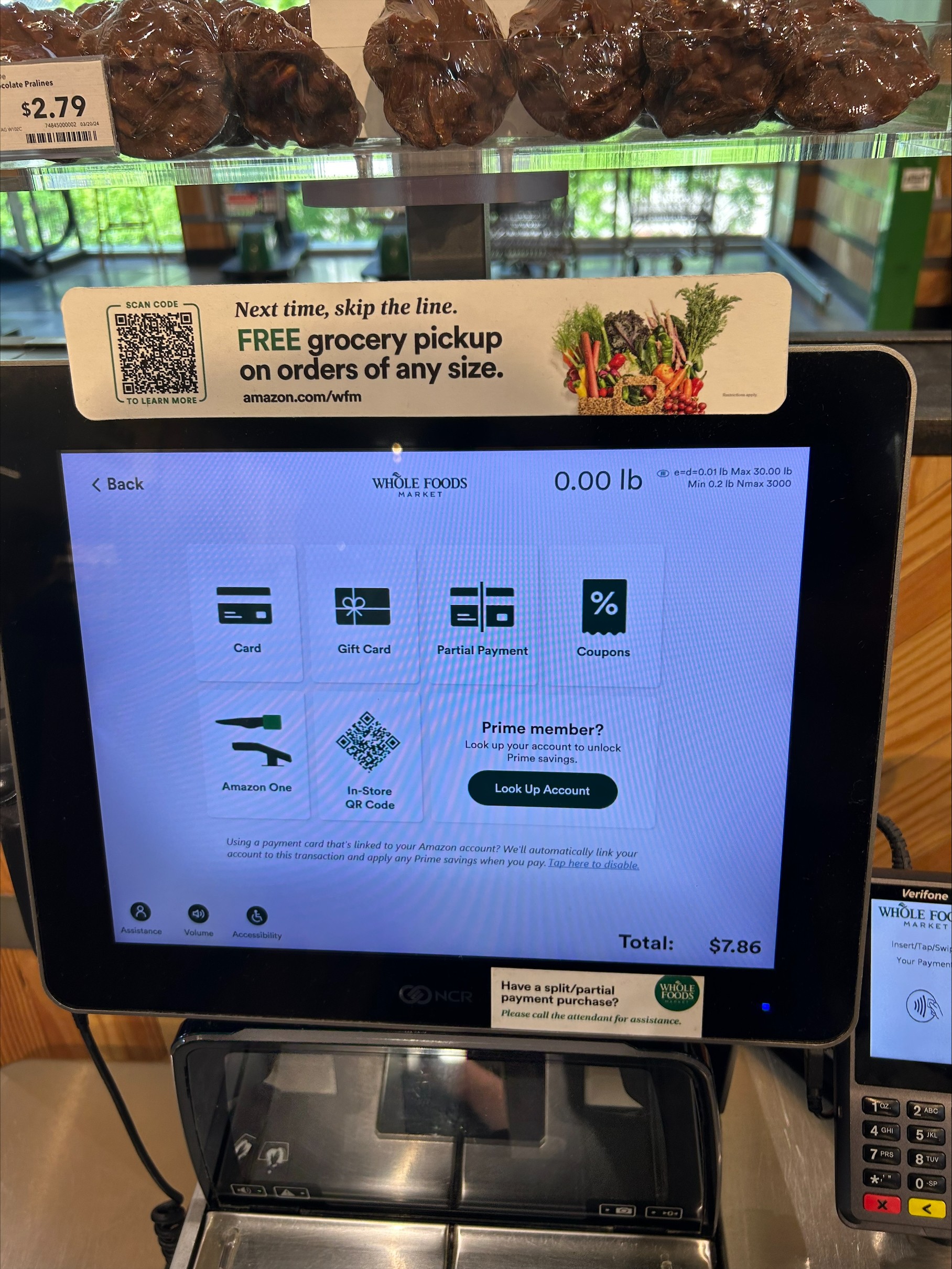
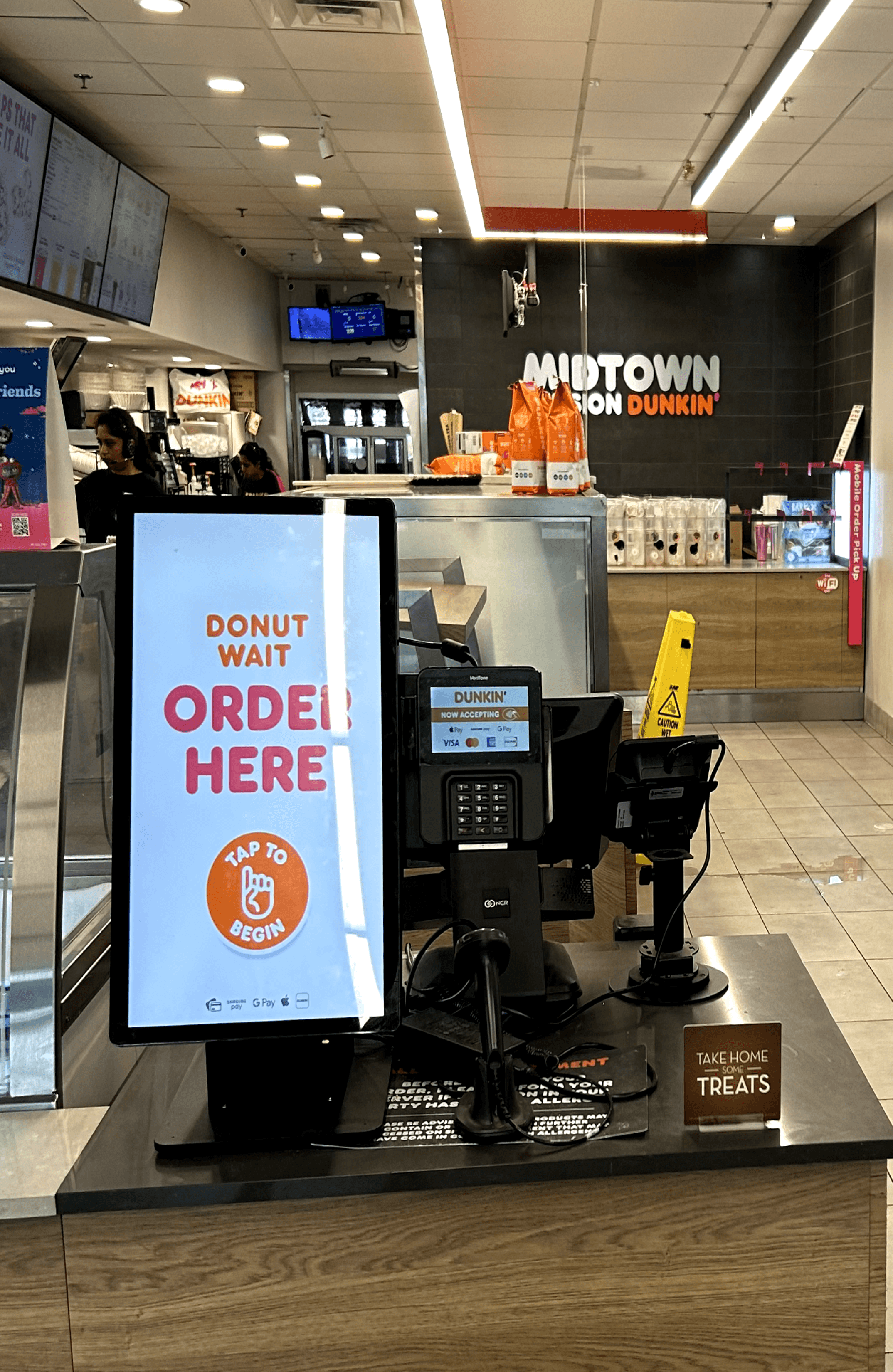
Understanding the brand, 4 competitors, and ADA standards
Diary studies across Erewhon and 4 competitor kiosks
Prototype setup, recruitment, and test scripts for both testing rounds
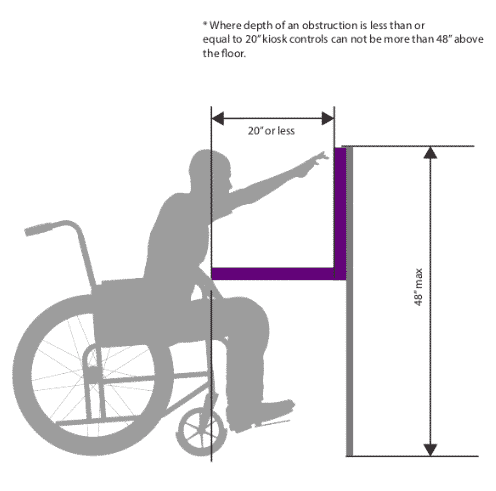
Relying on ADA and hardware specifics
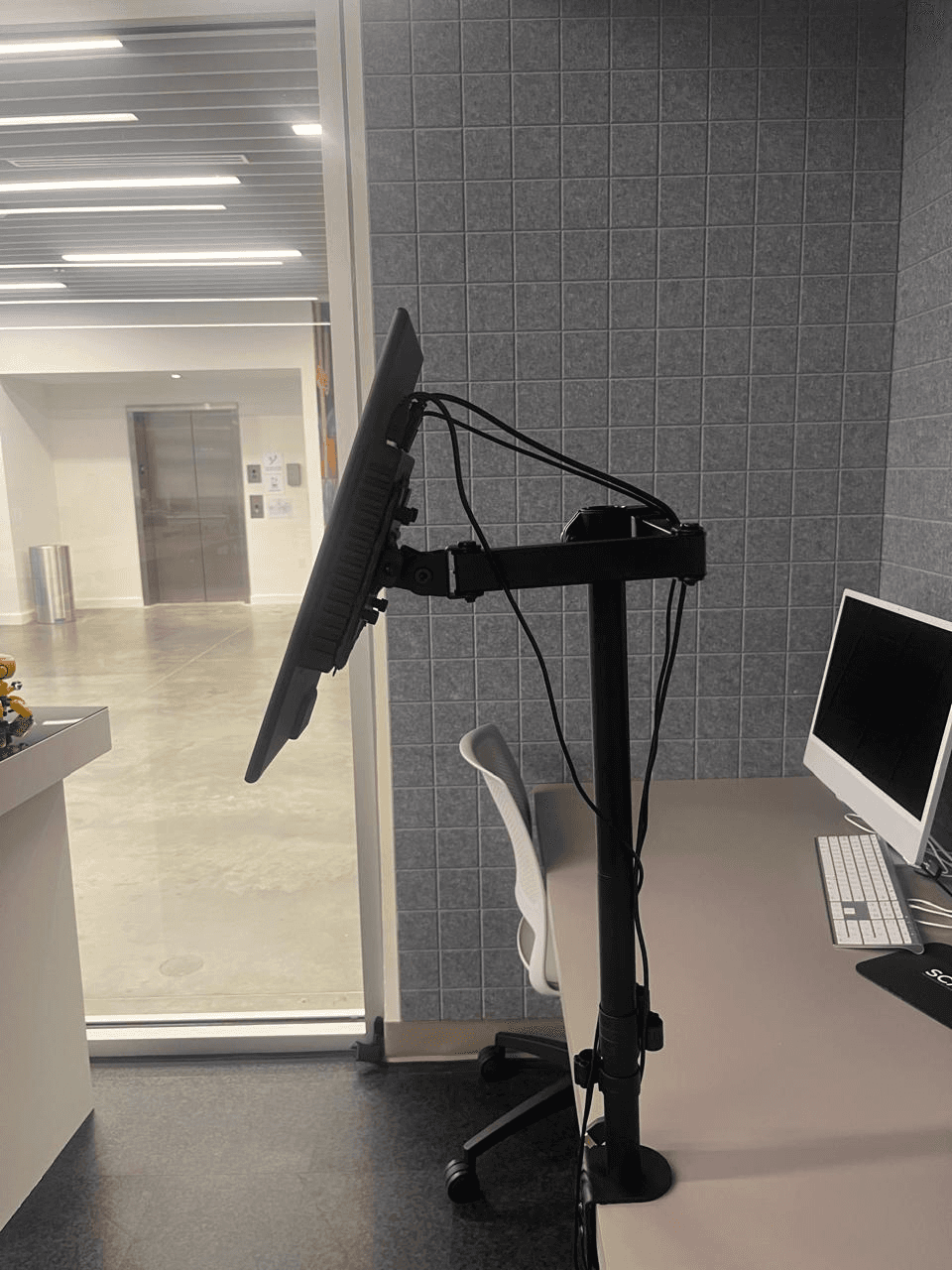
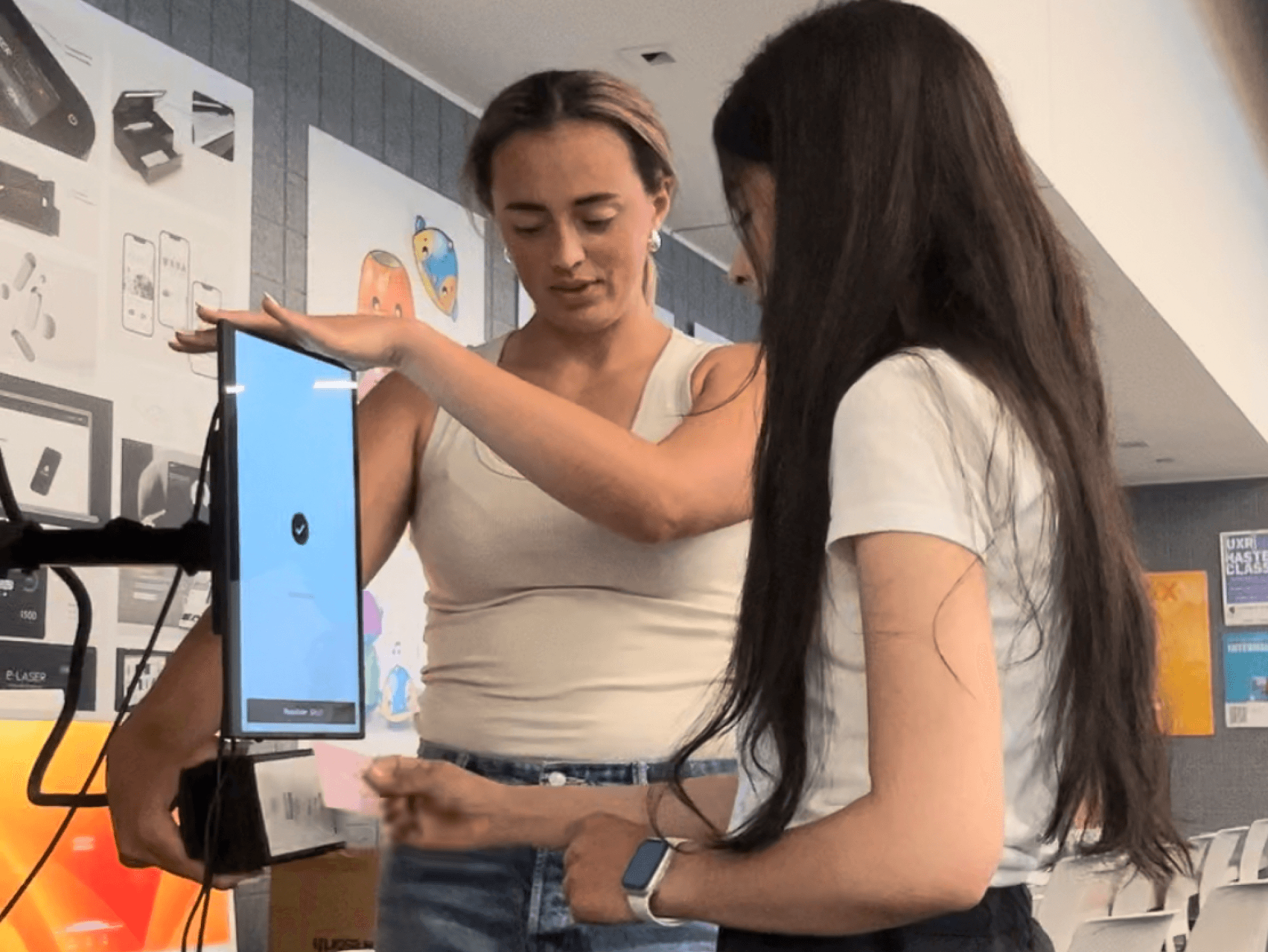
14 participants (4'11" to 6'2"). I tested how far they could comfortably reach, whether the screen caused glare in specific configuration, where misclicks happened, and which card reader position felt most natural.
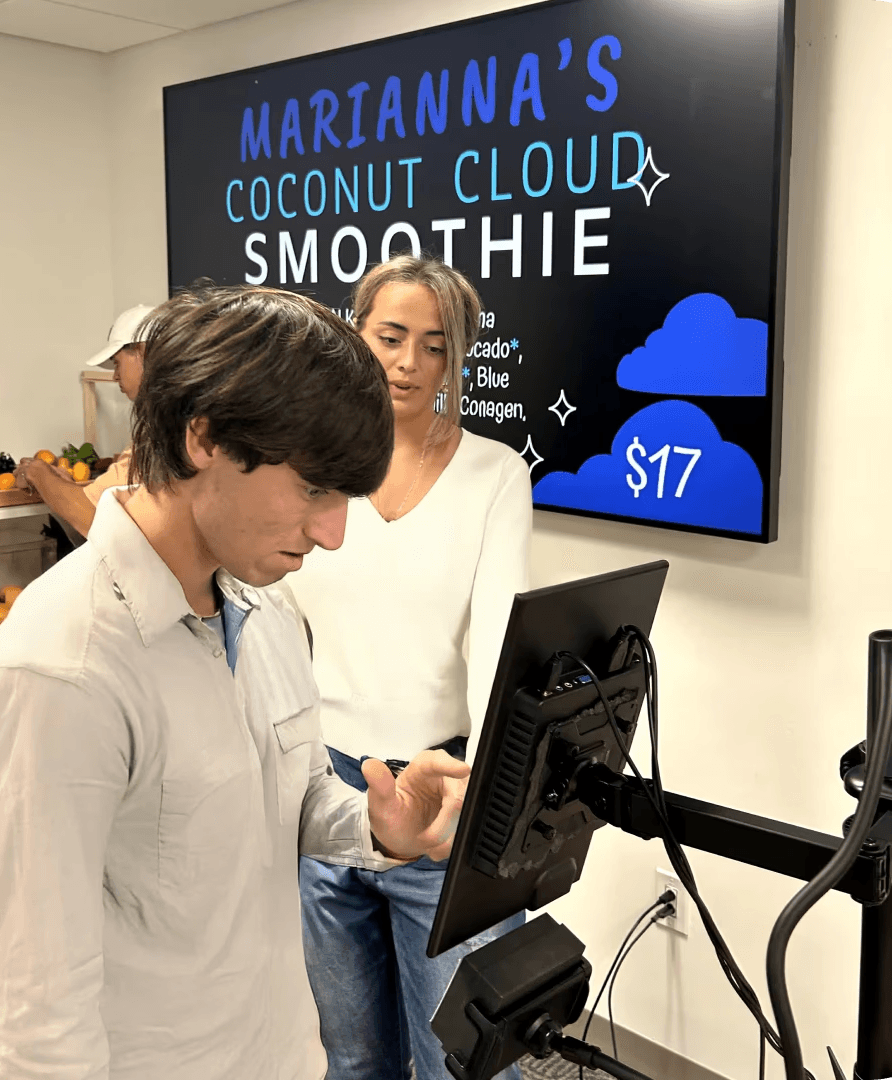
Testing setup, ergonomic prototype, me moderating the session, ADA kiosk requirements
Defining the core flows
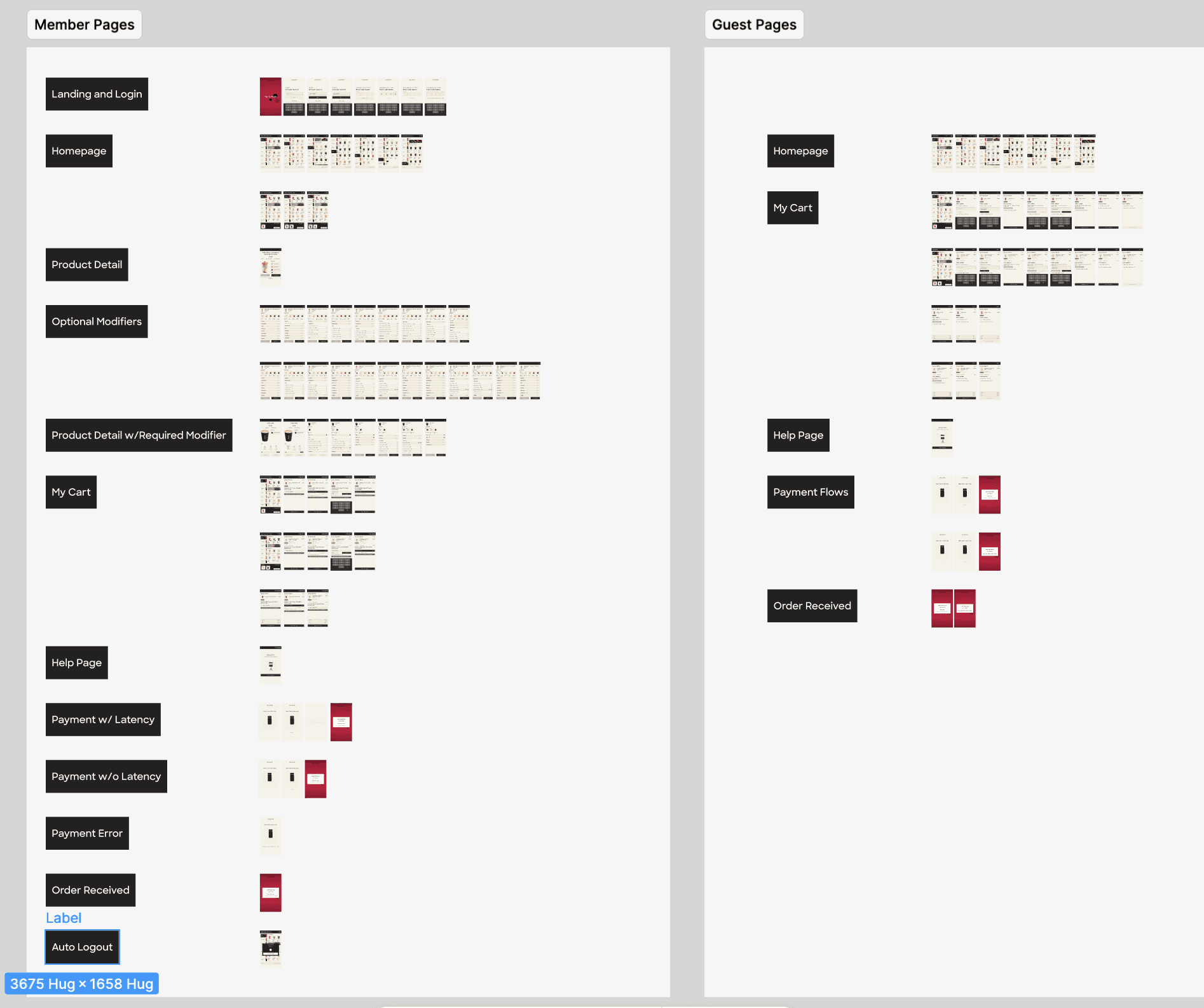
I started by exploring the provided prototype on my own to make sure everything worked. Then used my research to define what to test, core kiosk flows plus what makes Erewhon unique: navigation, quick add, customization, modifiers, SMS notifications, loyalty points, and cart management.
Snapshot of prototype, tested kiosks at Whole Foods and Dunkin
Screen height & angle
38% preferred 52" at 15°. The only configuration that worked comfortably across the full participant height range.
Card reader
39% preferred the card reader at 44" placed under the screen. The position that felt most natural without breaking the ordering flow.
Screen finish
83% preferred matte. Reduced glare meant the screen stayed readable.
Menu navigation
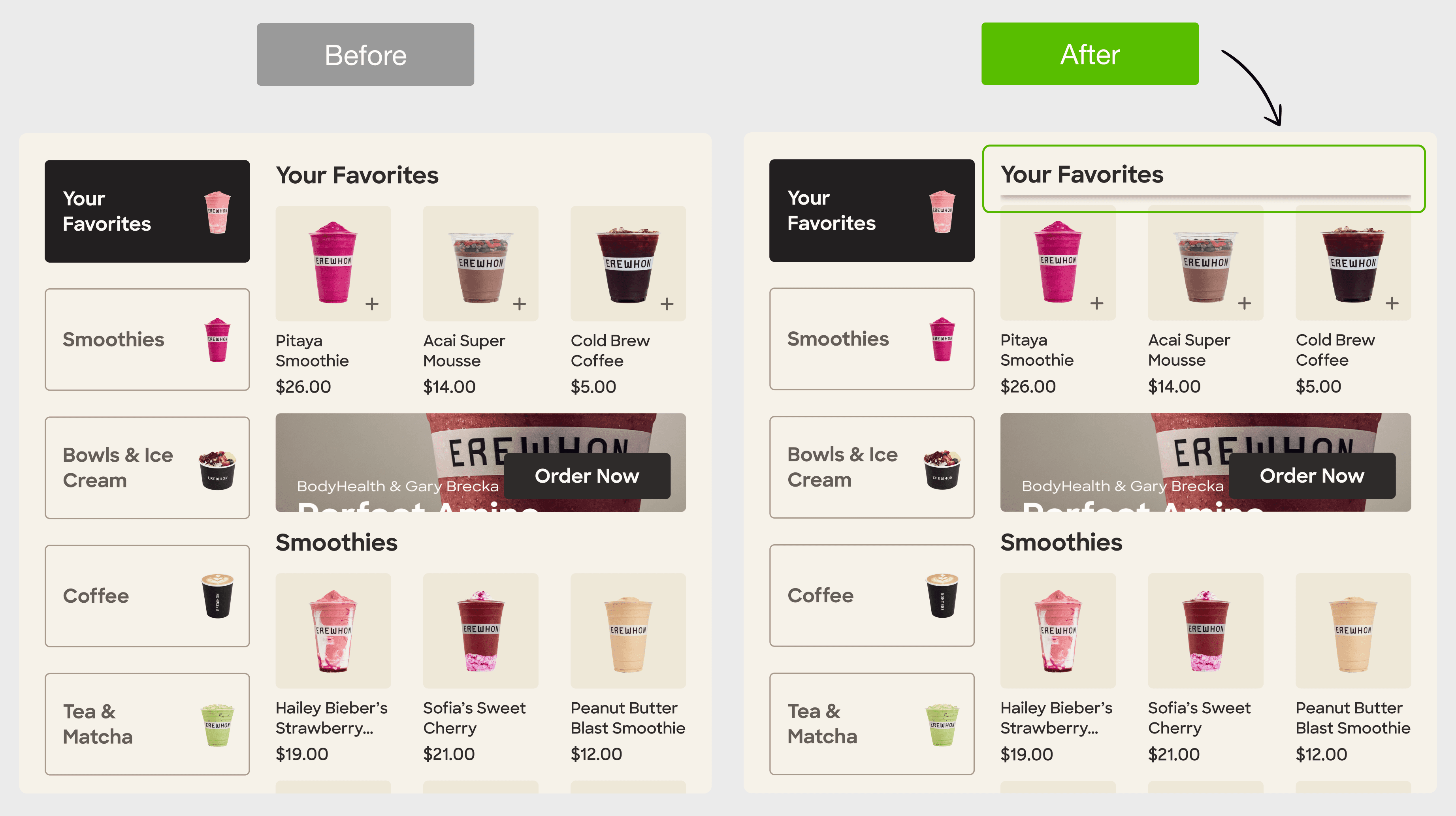
94% preferred browsing through the displayed menu, but only 79% completed product discovery. Users couldn't connect the left menu to the content on the right. Added sticky subcategory labels to clarify the relationship.
Customization flow
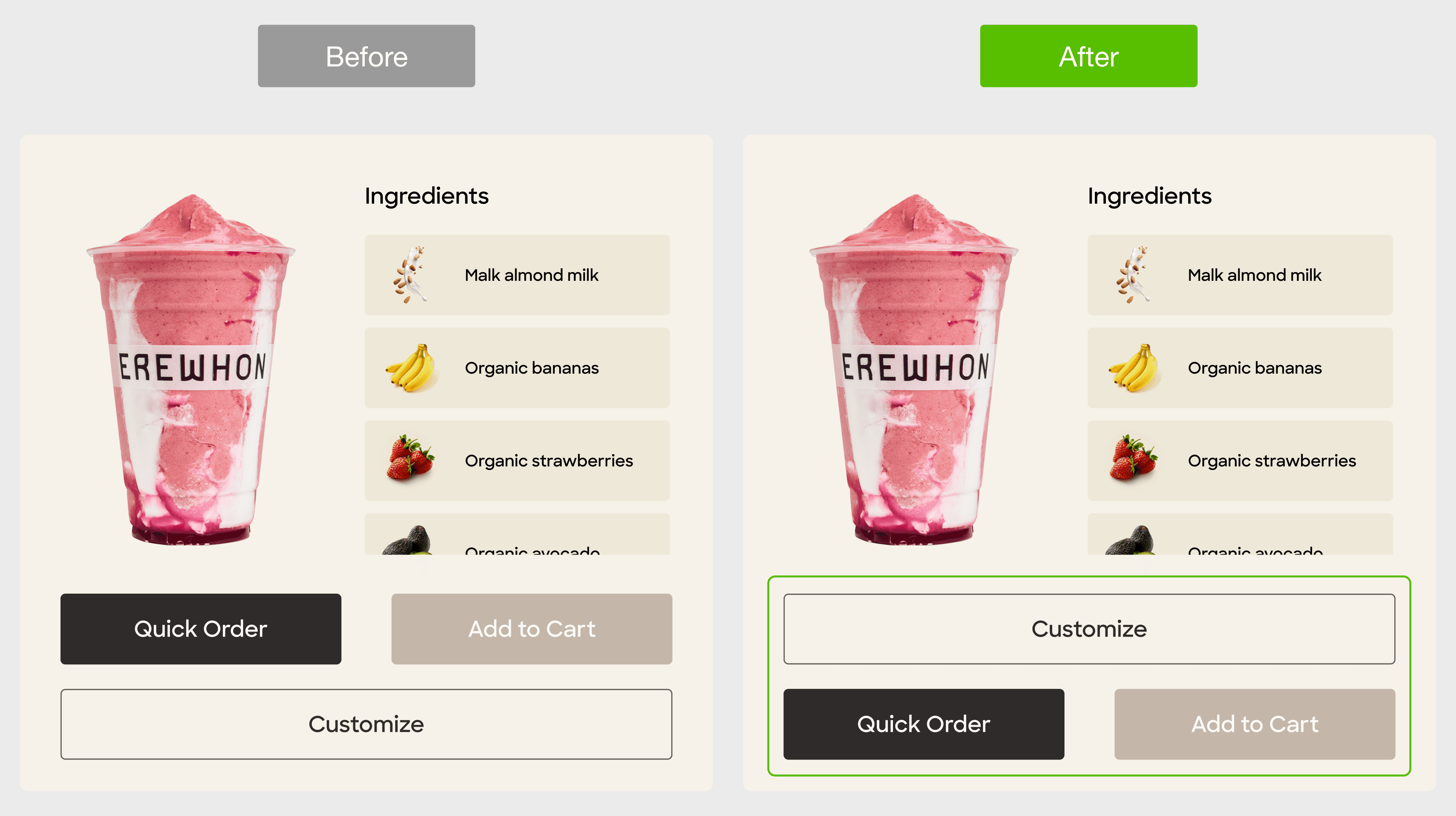
Only 51% completed the customization flow(Smoothie specifically). The Customize button was buried below checkout, participants simply ignored it. Moved it above to make it the first visible action.
Modifier access
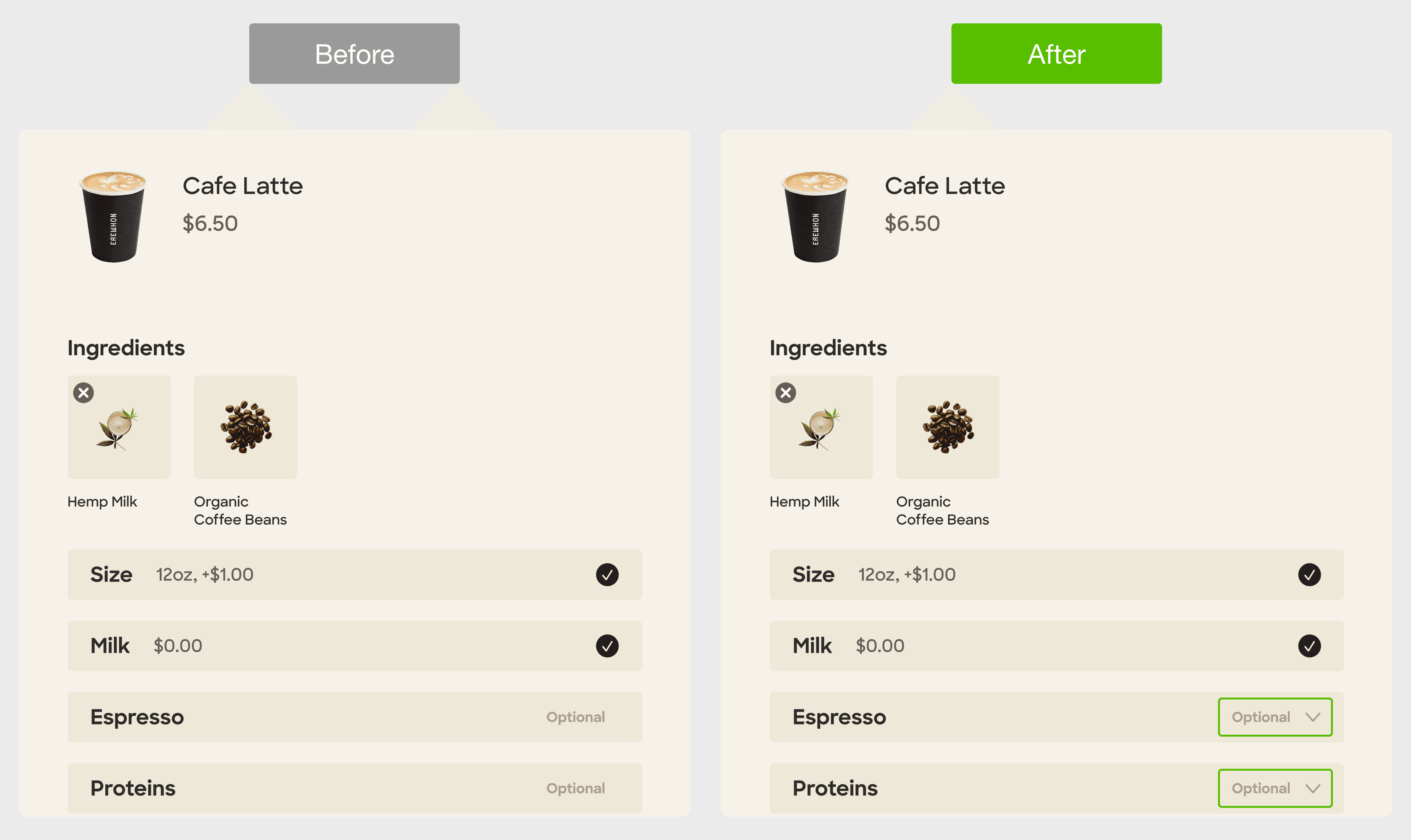
28% success rate(Coffee modification). Users didn't know the modifier rows were expandable. Added dropdown indicators to signal there was more to choose.
Plan ahead
Testing sequence determines the quality of your results
Look deeper
Emotions and gestures are valid data points too
The simplest fix is usually the right one
Moderating prototype testing